
Quick Summary: Cannabis terpenes are the aromatic compounds that give cannabis its distinct smell and flavor, from bright citrus to pungent diesel to sweet dessert notes. This guide explains what terpenes are, how growing and curing preserve them, and how to use aroma and lab results to shop for cannabis beyond THC percentage.
Why Terpenes Matter When Shopping for Cannabis
Cannabis shopping gets easier when you get more familiar with the products you are looking at, smelling, and comparing. THC may be the number that first catches your eye, but it does not tell the whole story of a flower or concentrate. Terpenes are the reason one cultivar smells bright and citrusy while another leans earthy, sweet, or fuel-forward.
The Native Nations Cannabis team put together this guide to explain what terpenes are, how they’re preserved from cultivation through curing, and how to use aroma and product information when shopping.
Key Takeaways
- Terpenes are aromatic compounds that shape how cannabis smells and tastes.
- Growing, harvesting, curing, and storage all influence terpene preservation.
- THC percentage alone cannot tell you a product’s full aroma or flavor profile.
- Use current lab information, product descriptions, and your own nose to compare options.
- Common aroma families include citrus, gas and diesel, earth and spice, and sweet and dessert.
- Cured batter, crumble, and sugar are concentrate formats that may highlight terpene character.
What Are Cannabis Terpenes?
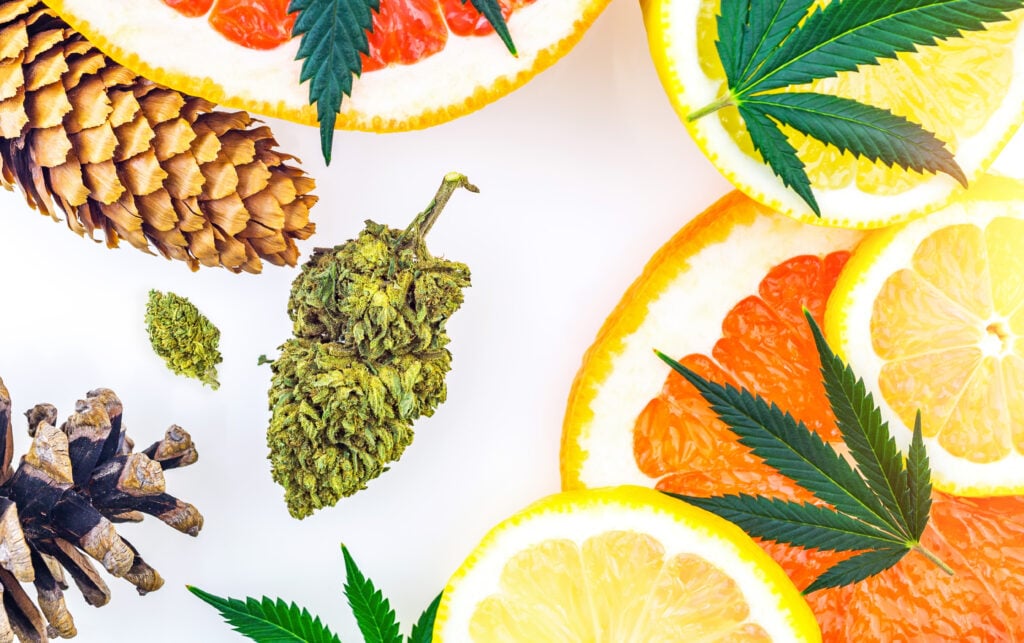
Terpenes are naturally occurring aromatic compounds found throughout the plant world. They help give citrus peel, pine needles, herbs, and flowers their recognizable scents. In cannabis, they are found in the resinous trichomes, the tiny gland-like structures that also contain cannabinoids.
Think of terpenes as part of a cultivar’s sensory signature. They do not reduce a flower to one note. Several terpenes can combine to create an aroma that calls to mind fresh lemon, peppery earth, garlic, sweet cream, or diesel fuel. That’s why two products with similar cannabinoid numbers can still smell and taste noticeably different.
When choosing cannabis, the label and the jar work best together. The label gives you useful context, and your own senses help you decide what appeals to you.
How Growing and Curing Preserve Terpenes
Terpene preservation starts well before a product reaches a shelf. Cultivation decisions can shape a plant’s aromatic potential, including genetics, environmental conditions, nutrition, plant health, and the point of harvest.
Harvest timing matters, too. A plant cut too early or too late may not present its aroma in the same way as one harvested at its intended maturity. From there, drying and curing become just as important as cultivation. Terpenes are volatile, meaning they can fade when exposed to excessive heat, light, oxygen, or rough handling.
A patient drying process and attentive cure help protect the character developed in the greenhouse. That is one reason fresh, properly stored flower offers a more expressive aroma than flower that has spent too long exposed to poor storage conditions.
At Native Nations Cannabis, flower is grown, cured, and brought to the menu within the same Tribe-owned operation. That gives our team a closer connection to the plant’s path from cultivation to the counter, and to the aroma customers notice when they open a jar.
How to Shop for Cannabis by Terpene Profile
You don’t need to memorize every terpene name to shop thoughtfully. Start with a simple question: What aromas do you enjoy?
At the counter, try this approach:
- Read the product name and description for aroma cues.
- Look for current batch-specific lab information when available.
- Notice the dominant aroma family listed on the packaging or product page.
- Smell the flower when store procedures allow it.
- Ask a budtender to compare products by aroma and flavor profile, rather than THC percentage alone.
- Keep notes on cultivars and profiles you liked.
Terpene percentages are most useful when they come from current batch-specific lab results. A percentage from an older run may not describe the product in front of you.
4 Common Cannabis Terpene Profiles
Citrus
Citrus-forward cannabis typically contains limonene, a terpene that can bring to mind lemon peel, orange zest, grapefruit, or fresh lime. These profiles often feel bright and sharp on the nose, making them a practical starting point for shoppers who gravitate toward fresh fruit or sour candy aromas.
Limoncello is a prime example of a cannabis strain with a classic citrusy aroma.
Gas and Diesel
Gas and diesel profiles often smell pungent, sharp, earthy, and fuel-like. They can also carry notes that remind people of rubber, skunk, or heavy spice. These strains typically contain myrcene and caryophyllene. Their aromas are not subtle, which is exactly what many shoppers enjoy about them.
If you tend to enjoy louder, fuel-forward aromas, Green Diesel can be a useful direction to explore. Compare it with a citrus or sweet cultivar if you are still learning what appeals to you.
Earth and Spice
Earthy profiles can suggest damp soil, pine, herbs, pepper, wood, or savory kitchen spices, with caryophyllene and pinene often at play. These profiles are often more grounded than fruit-forward selections and can appeal to shoppers who prefer botanical, herbal scents.
Garlic Totz belongs in this broader savory conversation. Names alone do not guarantee a specific aroma, but you can always ask: does the current batch lean garlicky, peppery, earthy, or more toward fuel?
Sweet and Dessert
Sweet and dessert-style profiles may evoke vanilla, cream, baked goods, fruit, candy, or dough. The light floral aroma of linalool is often an element. These strains can be inviting for shoppers who prefer softer, richer aromas over sharp gas or herbal spice.
Ice Cream Cake is a familiar reference point for a dessert-leaning cultivar name. When comparing products in this family, jot down the specifics: are you tasting creamy, sugary, fruity, doughy, or lightly gassy notes?
Terpenes in Cured Batter and Other Concentrates
Concentrates make terpene preservation even more important. Extraction and post-processing can concentrate flavor and smell, but the final aroma still depends on careful handling and the specific method used.
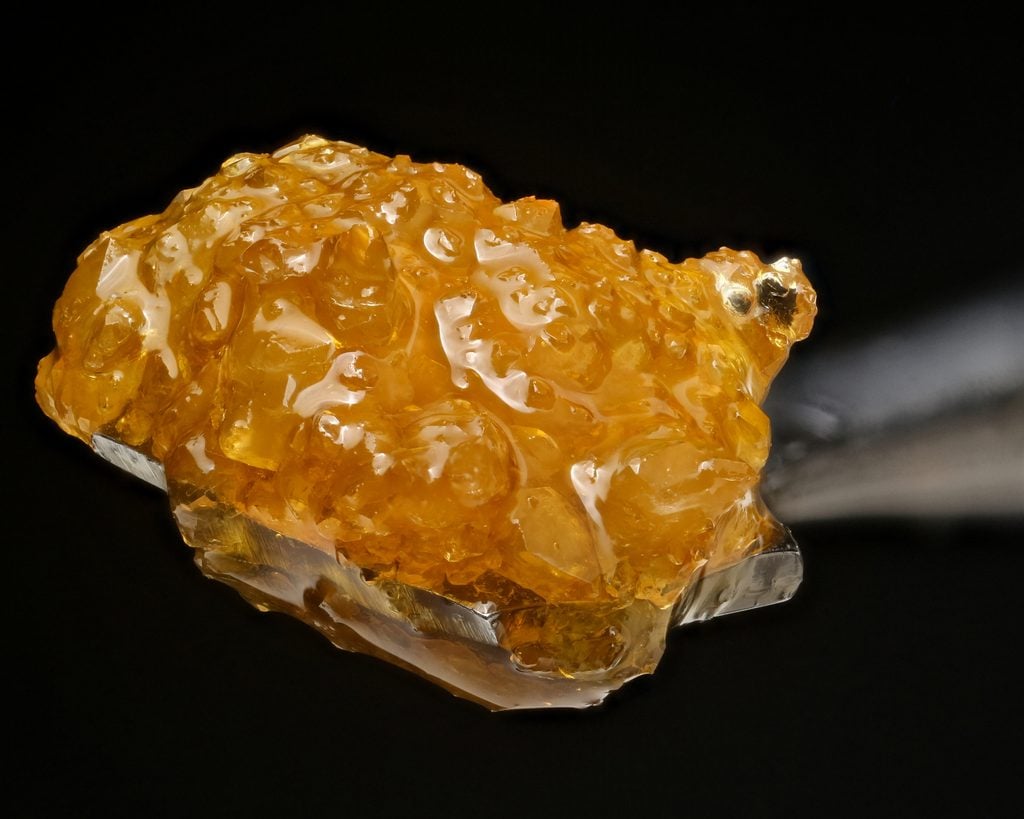
Cured batter is a creamy concentrate made through a specialized curing process. When comparing it with crumble or sugar, use the current product description and aroma notes to understand how each batch presents.
Texture tells you about the finished format, but it doesn’t tell you about aroma. Read the product description, review current lab information when available, and ask what notes stand out in the batch.
Choosing Cannabis by Aroma, Not Just THC
Terpenes make cannabis shopping more personal. Instead of treating every choice as a search for the highest number, use aroma as a guide. Start with profiles you enjoy in everyday life, such as citrus, herbs, sweet cream, pepper, pine, or diesel. Then use product descriptions, current testing, and your nose to narrow the field.
Shopping with us also supports a Tribe-owned business. A portion of our proceeds funds education, healthcare, and other vital initiatives, which you can read more about on our About page.
When you are ready to compare, browse the full Native Nations menu, or head straight to flower, concentrates, pre-rolls, or vapes.
Cannabis Terpene FAQs
What are the main aroma families, and which terpenes drive them?
Most cannabis falls into four broad families. Citrus profiles usually contain limonene, which brings lemon, orange, grapefruit, or lime notes. Gas and diesel profiles typically contain myrcene and caryophyllene, which create pungent, fuel-like aromas with hints of rubber, skunk, or spice. Earth and spice profiles often feature caryophyllene and pinene, which suggest pepper, pine, herbs, or wood. Sweet and dessert profiles often include linalool, which adds a light floral note alongside vanilla, cream, or baked goods.
Which cultivars should I try if I’m exploring different aroma families?
If you like bright, fruity scents, Limoncello offers a classic citrus aroma. For loud, fuel-forward aromas, Green Diesel makes a good starting point. If you lean toward savory notes, Garlic Totz fits the earth and spice conversation. For softer, richer scents, Ice Cream Cake offers a familiar dessert-leaning reference. A name alone doesn’t guarantee an aroma, so ask how the current batch or product presents.
Where is Native Nations Cannabis located?
You’ll find us at 1301 S Veterans St Ste 1, Flandreau, SD 57028. You can also call us at (605) 573-4266.
What are your store hours?
We are open Monday through Saturday from 9 a.m. to 8 p.m., and Sunday from 10 a.m. to 6 p.m.
Shop Terpene-Rich Cannabis in Flandreau, SD
If you’re looking for terpene-rich, handcrafted medicinal cannabis products, Native Nations Cannabis is the right place to shop. Our team is standing by to help you select products that suit your palate and needs.
Visit Native Nations Cannabis at 1301 S Veterans St Ste 1, Flandreau, SD 57028. Phone: (605) 573-4266
DISCLAIMER: The contents of this blog are intended for informational purposes only. Always seek the advice of a physician or other qualified healthcare provider with any questions you may have regarding a medical condition.