
Quick Summary: To get a South Dakota medical marijuana card, your practitioner must first certify you through the state portal. Then you apply online with an ID and photo and pay $75, or $20 if you qualify as low-income. Cards renew yearly. The Flandreau Santee Sioux Tribe runs a separate program with its own application. To purchase at Native Nations Cannabis, you need a Flandreau Santee Sioux Tribe (FSST) medical card. If you already hold a state or tribal medical card, our team can mirror it onto an FSST card, and visitors without a card can get help obtaining one on-site.
Where Does the South Dakota Medical Card Process Start?
In South Dakota, you start the medical marijuana card process at a healthcare provider’s office, not at a dispensary. You can’t begin the state application until a provider files a certification, so the order of steps matters.
This guide walks through the state process from start to finish, explains the separate program run by the Flandreau Santee Sioux Tribe (FSST), and covers what to have ready when you visit Native Nations Cannabis in Flandreau, including how to get an FSST card if you don’t have one yet.
Key Takeaways:
- A medical card is the only legal way to buy cannabis in South Dakota.
- Your provider starts the state process; a physician, physician assistant, or advanced practice registered nurse certifies you through the state portal.
- A state card costs $75, or $20 for qualifying low-income applicants. Home cultivation and a second caregiver are $20 each, and cards renew every year.
- The Flandreau Santee Sioux Tribe runs a separate program with its own eligibility form; providers do not need a South Dakota license. Applications are free, although applicants under 21 may incur a charge because of additional requirements.
- A Flandreau tribal card lets you purchase on the Flandreau Santee Sioux Reservation, and an FSST-issued card is required to purchase at Native Nations Cannabis.
- Native Nations Cannabis works with medical cards issued by any state or Tribe. If you already have one, our team can mirror it onto an FSST card; if you don’t have a card, we can help you get one on-site.
- Bring a valid photo ID and your FSST card or existing state or tribal card to Native Nations Cannabis, and call 605-573-4266 before your first visit.
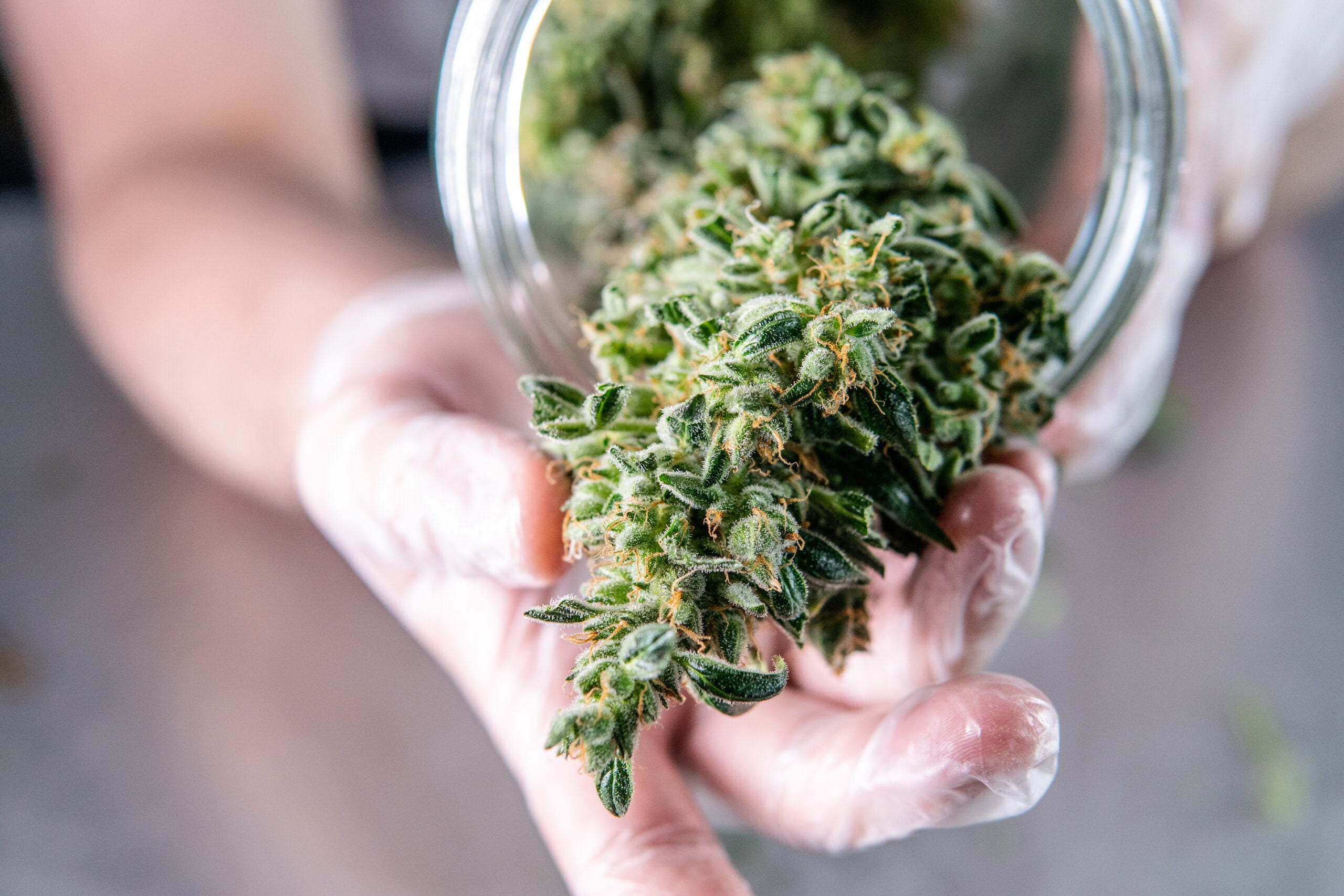
Do You Need a Medical Card to Buy Cannabis in South Dakota?
Yes. Legal cannabis is only accessible in South Dakota through its medical program. The Department of Health states that any sale or purchase of medical cannabis must follow state law and administrative rules, and that any sale or purchase of cannabis outside the regulated medical cannabis establishments is illegal.
If you have been searching for a recreational dispensary in South Dakota, the practical answer is that the path to buying cannabis here runs through a medical card.
How to Get a South Dakota Medical Marijuana Card: 5 Steps
The state process has five steps. The Department of Health’s patient guide lays them out in this order.
- Find a practitioner. A physician, physician assistant, or advanced practice registered nurse who is licensed to prescribe drugs can certify a patient. The state does not keep a list of practitioners who will provide certifications, and state rules make clear that no practitioner is required to certify a patient.
- Get certified. Your practitioner submits a certification through the state’s patient portal. Under state law, the certification must be dated within 90 days before your application. New patients then receive an emailed link to begin.
- Complete the online application. Activate your account at the state’s patient registry and fill in the required fields. Upload a copy of an unexpired ID, such as a driver’s license, passport, US government ID, tribal ID, or student ID, along with a passport-quality photo that meets the state’s photo requirements.
- Pay the fee. The standard card costs $75. Applicants with a gross monthly household income below 130% of the federal poverty level can request the reduced $20 fee by providing income documentation. Home cultivation adds $20, and a second caregiver adds $20. Fees are nonrefundable, so check the Department of Health site for current amounts before you apply.
- Wait for approval. The Department of Health says its office typically reviews applications within two to four days of receipt, and it mails an approved card, which generally arrives in four to 10 days. An incorrect mailing address often delays delivery.
How Do You Renew a South Dakota Medical Card?
State cards renew every year, and the renewal fee is due when you renew. The Department of Health publishes renewal tips on its patient page.
The department also says it has not authorized any outside vendors to help with applications and that you should pay no fees other than the application fee, so be cautious with businesses that offer to handle the process for you.
What Conditions Qualify for a Medical Card in South Dakota?
State law defines which conditions can qualify a patient. Under SDCL 34-20G-1, a debilitating medical condition is a chronic or debilitating disease or medical condition, or its treatment, that produces cachexia or wasting syndrome, severe debilitating pain, severe nausea (other than nausea associated with pregnancy), seizures, or severe and persistent muscle spasms. The law also lists AIDS or positive HIV status, amyotrophic lateral sclerosis, multiple sclerosis, cancer or its treatment when it is associated with severe or chronic pain, nausea or severe vomiting, or cachexia or severe wasting, Crohn’s disease, epilepsy and seizures, and post-traumatic stress disorder.
The above describes who can be eligible for a card. It does not state that cannabis treats any condition, and a practitioner decides whether a patient qualifies.
How to Get a Flandreau Medical Card
You can also apply through the Flandreau Santee Sioux Tribe’s medical cannabis program, which operates under the Tribe’s own laws. You must complete a Document Patient Eligibility Form, have a medical professional licensed in the jurisdiction where they practice, sign it (a South Dakota license is not required), and bring it with a valid photo ID to Native Nations Medical Cards at 701 W. Broad Avenue in Flandreau. Applications are free. Applicants under 21 may incur a charge because of additional requirements, including a physician-signed recommendation. The Tribe issues the card as a license to purchase cannabis on the Flandreau Santee Sioux Reservation.
An FSST-issued card is required to purchase at Native Nations Cannabis. If you already hold a medical card issued by any state or Tribe, our team can mirror your existing card’s information onto an FSST card for you, at no charge. If you don’t have a medical card yet, our team can help you obtain one on-site. Call 605-573-4266 to confirm which process applies to you.
You must renew through a recertification application, which requires an updated certification from a healthcare professional and is due every 12 months, with a 30-day renewal window before the card expires.
The Tribe’s Cannabis Control Ordinance requires you to have a medical registration card before you may receive cannabis under its medical chapter, and it describes registration card holders as exempt from prosecution in Tribal Court. Beyond that stated scope, the Tribe’s sources do not address how other jurisdictions treat a tribal card; ask the program directly.
The tribal and state programs are separate, with separate applications.
Who Can Be a Designated Caregiver in South Dakota?
A qualifying patient can name a designated caregiver to help with their medical use of cannabis. Under state law, a caregiver must:
- Be at least 21 years old.
- Agree to assist the patient.
- Not have been convicted of a disqualifying felony offense.
- Assist no more than five patients, unless each patient lives in or is admitted to a health care or residential care facility where the caregiver works.
The Department of Health publishes a separate step-by-step guide for caregivers. The Tribe’s program also includes registered caregivers, who renew on the same 12-month schedule as patients.
What to Bring on Your First Visit to Native Nations Cannabis
To purchase at Native Nations Cannabis, you need an FSST-issued medical card. Bring your valid government-issued photo ID and your FSST card. If you have a medical card from another state or Tribe instead, bring that card; our team can mirror its information onto an FSST card for you. If you don’t have a medical card yet, our team can help you obtain one on-site. If you use a designated caregiver, also bring the caregiver’s card.
Because intake requirements can change, call us at 605-573-4266 before your first visit to confirm what to bring.
FAQs About South Dakota Medical Marijuana Cards
Is recreational cannabis legal in South Dakota?
No. Under state law, people can only legally buy through the medical program, and the Department of Health says any sale or purchase outside regulated medical cannabis establishments is illegal. To buy cannabis in South Dakota, you need a medical card.
How much does a South Dakota medical marijuana card cost?
A standard state card costs $75. Applicants with a gross monthly household income below 130% of the federal poverty level can get a reduced-fee card for $20 by providing income documentation. Home cultivation adds $20, and adding a second caregiver adds $20. Renewal fees are due each year when you renew. Applications for the Flandreau Santee Sioux Tribe’s program are free, including when our team mirrors an existing state or tribal card onto an FSST card. Applicants under 21 may incur a charge because of additional requirements, including a physician-signed recommendation.
Can I use an out-of-state medical card in South Dakota?
Not automatically. Nonresidents register with the state program using a certification from their home jurisdiction. The state issues a nonrenewable registry number valid for up to one year at no more than two designated dispensaries. At Native Nations Cannabis, our team can mirror an existing state or tribal card onto the FSST card required to purchase here.
Does Native Nations Cannabis accept state or tribal medical cards?
Native Nations Cannabis works with medical cards issued by any state or Tribe. You still need an FSST-issued card to purchase, but if you already have a state or tribal card, our team can mirror its information onto an FSST card for you.
Do I have to be a tribal member to purchase at Native Nations Cannabis?
No. You don’t need to be a tribal member. You do need an FSST-issued medical card, and our team can help you get one on-site or mirror an existing state or tribal card onto one.
Do I have to be a South Dakota resident to purchase at Native Nations Cannabis?
No. Visitors from outside South Dakota can get an FSST card and purchase at Native Nations Cannabis. The FSST card is a license to purchase on the Flandreau Santee Sioux Reservation, and other jurisdictions may not recognize it. Cannabis remains illegal under federal law, and taking it across state lines is illegal, even between states where cannabis is legal. Before you leave the Reservation, make sure you understand and follow the laws that apply where you are going.
Does my provider need a South Dakota license?
It depends on the program. For the Tribe’s program, the provider must be able to prescribe in the jurisdiction where they’re licensed, and a South Dakota license isn’t required. For the state program, nonresident patients need a practitioner licensed in their home state.
Where can I use a Flandreau tribal medical card?
The Tribe issues its card as a license to purchase cannabis on the Flandreau Santee Sioux Reservation. For questions about using it anywhere else, contact the Tribe’s medical card program directly.
Visit Native Nations Cannabis
Whether you already have a card or need help getting one, visit Native Nations Cannabis in Flandreau. We are vertically integrated, from cultivation and extraction to our kitchen and retail counter, and a portion of our proceeds funds education, healthcare, and other initiatives in Indigenous communities.
Our team will gladly answer any questions about your first visit.
DISCLAIMER: The contents of this blog are intended for informational purposes only. Always seek the advice of a physician or other qualified healthcare provider with any questions you may have regarding a medical condition.